











We’re excited to announce the launch of our newest video series, Becoming TRU.
TRU (Trauma Responsive Unit) is a trauma-informed training program aimed to strengthen wellness, connection, and trauma-responsive practices—especially within multidisciplinary teams—using the Neurosequential Model of Therapeutics (NMT).
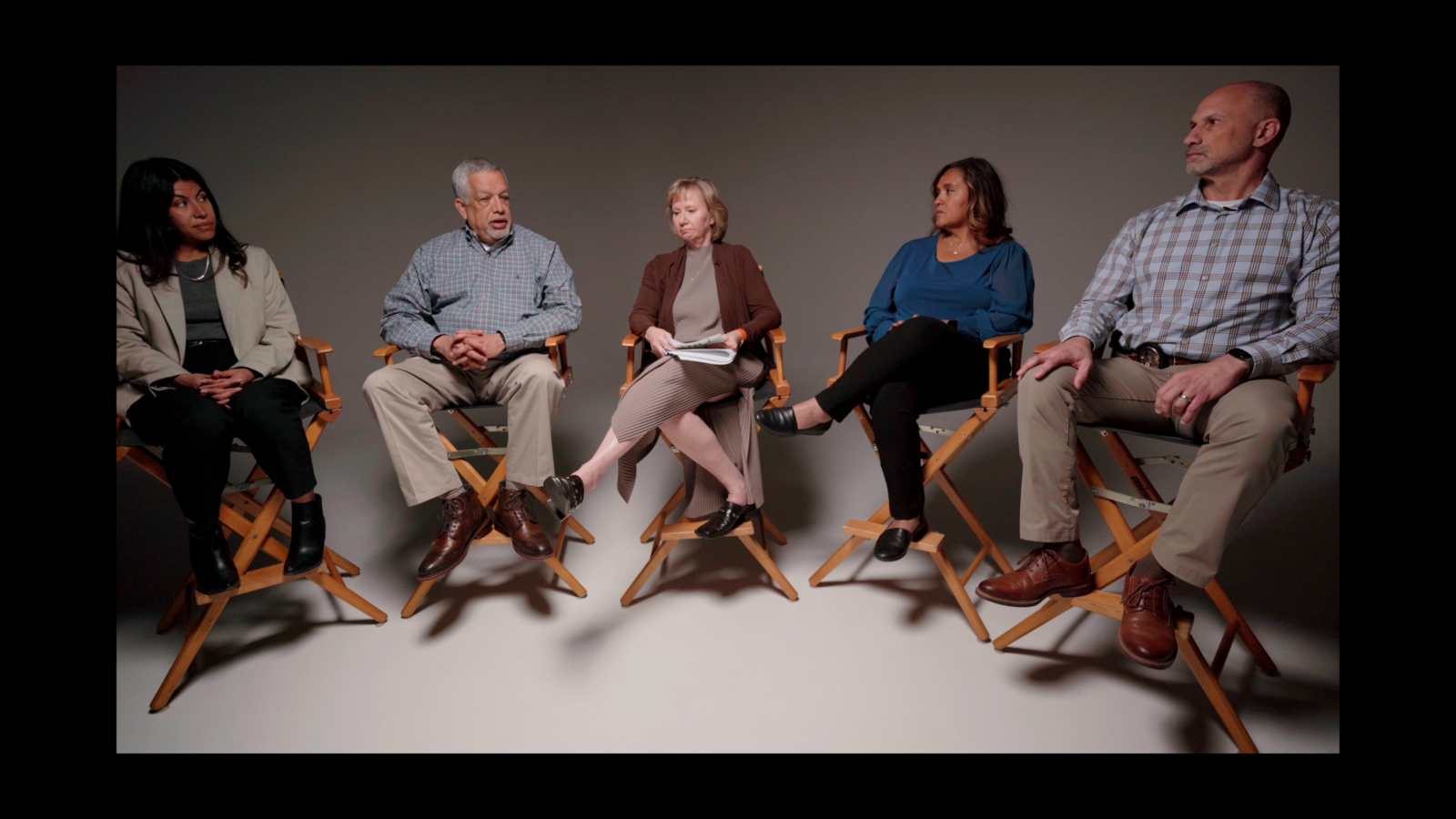
In this series, leaders from across the Travis County Child Protection Team (CPT) share how the TRU Model is reshaping the way they lead, collaborate, and support clients experiencing complex trauma.
Watch now or keep reading to learn more.
The Purpose of TRU
The TRU Model helps us understand how deeply trauma affects communities. Trauma not only impacts the children and families served at the Center, but also the CPT members who support them through the intervention, investigation, and prosecution of child abuse cases.
Early on, the Center focused almost exclusively on supporting clients, without fully recognizing how repeated exposure to traumatic material affected CPT members. Working with children who have experienced abuse, neglect, or violence can create secondary and tertiary trauma for the professionals involved — shaping performance, well-being, and workplace culture.
Integrating trauma-responsive practices promotes safety, trust, empowerment, and reduces re-traumatization for both clients and CPT members.
TRU Goals
- Understand and recognize the impact of trauma.
- Build trust with clients, coworkers, CPT partners, and the community.
- Empower teams — and ourselves.
- Disseminate knowledge and build a trauma-responsive culture.
- Engage with the NMT framework as a basis for understanding trauma.
NMT Core Concepts
Trauma’s effects are not just emotional — they’re biological. NMT helps teams understand how trauma shapes the brain and behavior, and how to meet people where they are. That understanding is foundational to the TRU Model.
Developed by Dr. Bruce Perry and the ChildTrauma Academy, NMT doesn’t prescribe specific interventions. Instead, it guides how we understand trauma and how that understanding should shape our responses to clients, coworkers, CPT partners, and even ourselves.
Below are the core concepts behind NMT.
Brain Organization & Functioning
The brain develops bottom up:
- Brainstem: Heart rate, temperature, breathing.
- Diencephalon: Sensory processing, alertness.
- Limbic System: Emotions, relationships, reward.
- Cortex: Reasoning, planning, impulse control.
Neurodevelopment
The brain also processes from the bottom up. Trauma can activate the brainstem’s survival responses, disrupting motor functions, emotions, relationships, and critical thinking. When someone is operating from their brainstem, they must move back through each level to regain regulation.
Stress, Distress, & Trauma
Stress is part of every workplace — but how we understand and respond to it determines whether a team becomes resilient or distressed.
Our mental state shifts in response to stress, moving us up and down the Arousal Continuum between states of calm, alert, alarm, fear, and terror. When we’re in distress, we may experience:
- Hyperarousal: Fight, flight, freeze, or flock. This may look like hyper-vigilance, resistance, defiance, or even aggression.
- Dissociative: Avoid, comply, or dissociate. This may look like avoidance, compliance, detachment, or even fainting.
Healthy stress builds resilience. Too much stress harms communication, performance, and interpersonal interactions. Recognizing the signs of distress allows for early intervention and regulation.
Relationships & Attachment
Relationships are at the heart of effective child protection work.
Supportive relationships help us manage stress, especially in trauma-heavy environments. It can be difficult to regulate alone — which is why teams play an essential role in noticing changes, responding with empathy, and helping each other return to a regulated state.
Personal histories, trauma, and life stressors also influence workplace behavior. Every person, team, and agency brings their own experiences, perspectives, and expectations to the table. In these situations, it’s easy to make snap judgments about behavior or performance, but NMT and TRU help us shift our perspective, creating space for empathy, understanding, and teamwork.
Strong relationships, clear communication, and trust are essential in multidisciplinary settings.
Team Integration
Trauma shapes how we think, react, and engage at work. Integrating TRU into team and agency culture strengthens organizations from the inside out and ensures both clients and professionals receive the support they need.
Trauma-responsive leadership means supporting your team, supporting yourself, and cultivating a culture focused on wellness, consistency, and meaningful change.
Support Your Team
- Know your staff and recognize signs of distress.
- Have compassion for personal factors that may compound stress.
- Respond to behavior or performance changes with empathy.
- Pause before responding to emotional reactions.
- Offer to help debrief or regulate.
- Educate staff on NMT and TRU concepts.
- Model trauma-responsive practices.
Support Yourself
- Notice when your reactions are driven by distress.
- Recognize when emotions influence your perception.
- Pause before responding when you are emotional.
- Ask for help when you need to regulate or debrief.
Create a Culture
- Normalize asking for help.
- Challenge “suck it up” or “just keep moving” mentalities.
- Recognize that even “routine” trauma has cumulative effects.
- Provide tools, support, and space to process.
- Align teams around shared trauma-informed language.
- Encourage the use of NMT and TRU across teams and with clients.
TRU is both personal education and a tool we can use to help others, in and out of the workplace. It deepens our understanding of trauma, strengthens multidisciplinary teamwork, and enhances our ability to support children and families — and the professionals who serve them. TRU fosters long-term, community-level change and builds a foundation for a brighter future.
“It’s not about what it is. It’s about what it can become.”
— Dr. Seuss