










Your Prevention Hub
Welcome to Protect Austin Kids
The Center for Child Protection is committed to preventing child abuse through education, training, and practical tools that strengthen families and protect children. Our Prevention Hub aims to provide resources, professional training, and educational workshops to help parents, educators, child-serving professionals, and community members better understand risks, increase protective factors, and prevent child abuse in our community.
2026 Prevention Campaign
Preventing child abuse starts by having open, ongoing conversations with children — and it’s never too soon to start. Learn how to start these critical conversations, discover prevention resources, and get involved in making our city a safer place for children.
Educational Offerings

For Parents & Caregivers
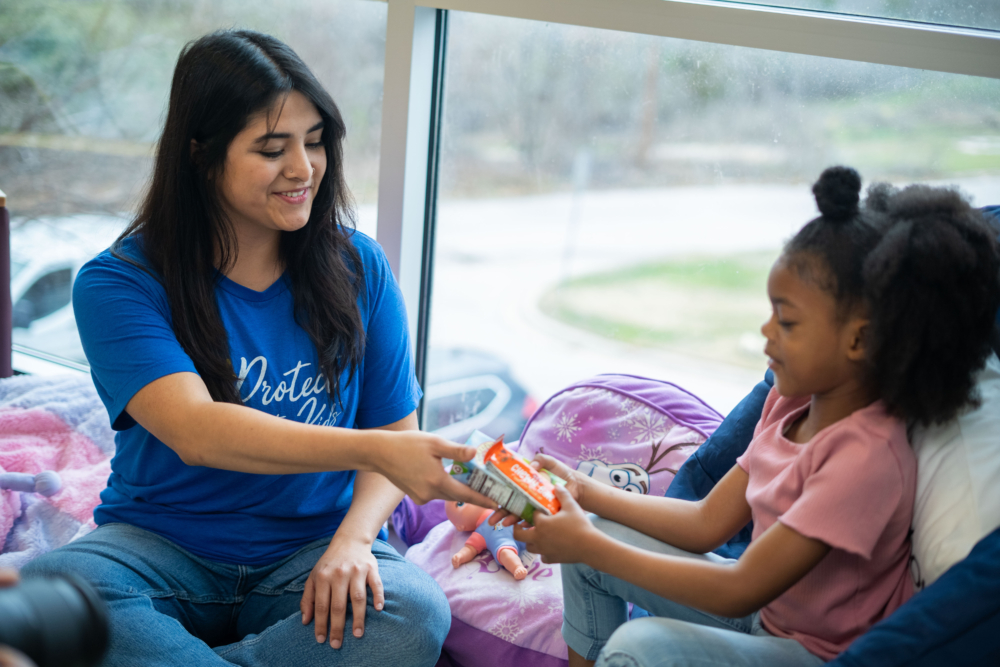
Tips, tools, and workshops to help parents and caregivers understand risks, create safe environments, discuss body safety, and protect their children from abuse.

For Professionals & Educators
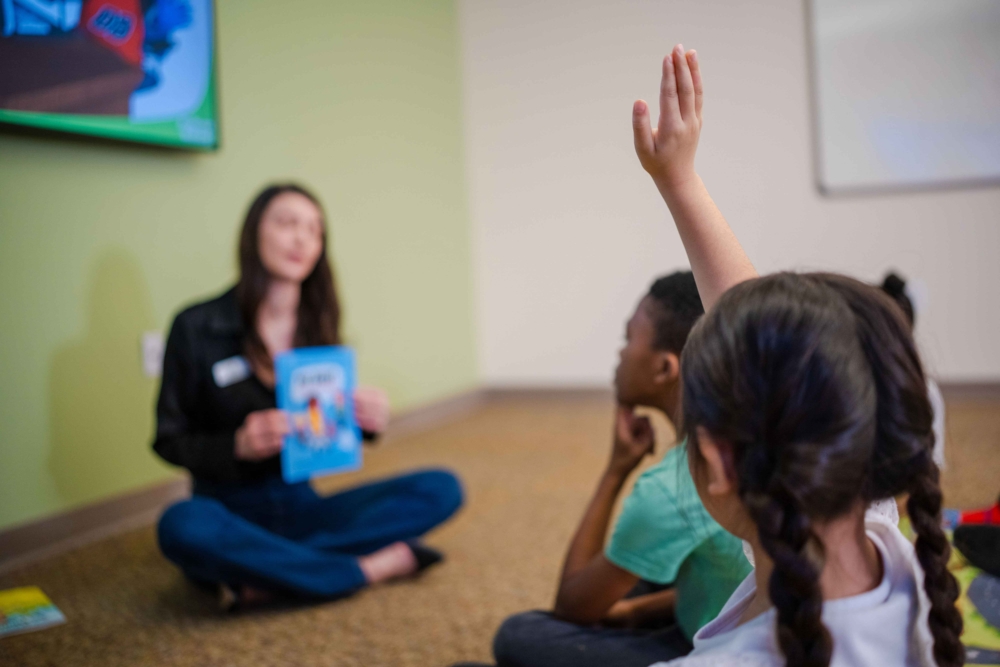
Training and resources to help educators and child-serving professionals identify, respond to, and prevent child abuse. Includes CEU-accredited opportunities.
Monthly Webinar Series
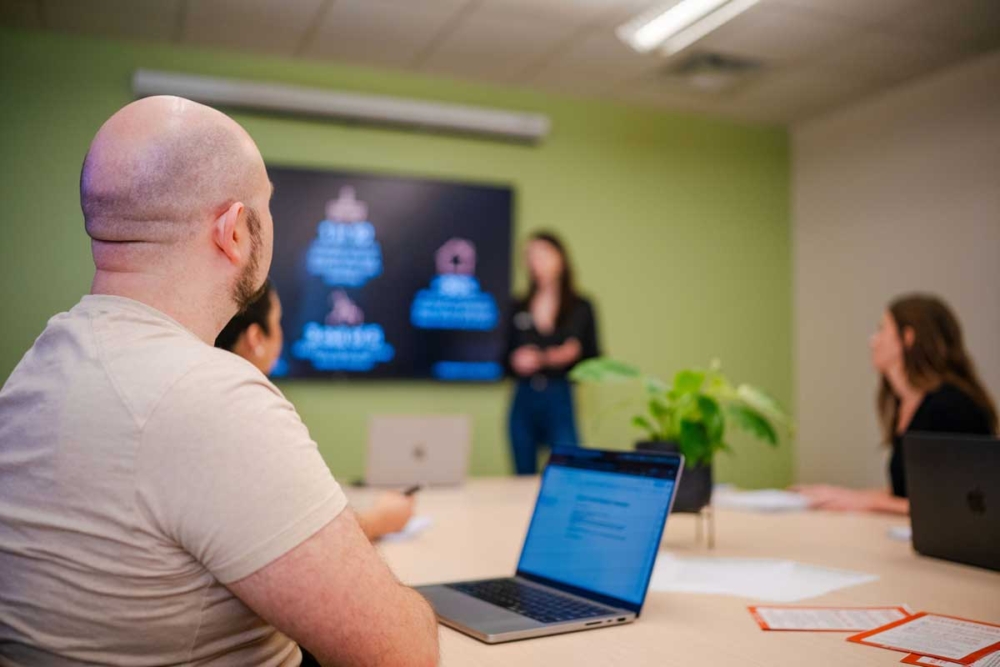
The Center offers free, monthly webinars covering a wide range of child abuse awareness and prevention topics. Available in both English and Spanish, these webinars are relevant for parents, caregivers, educators, professionals, and the general public. Certificates of Completion and CEUs are provided for each webinar.
In this webinar, you will:
- The facts and misconceptions about sexual abuse
- How to identify the grooming process and red flag behaviors
- Protective actions you can take to reduce risk
In this webinar, participants will learn:
- The specific factors that can increase the risk of abuse during the holiday season
- How a proactive approach can improve child safety in both digital and physical environments
- To reduce holiday burnout by prioritizing emotional well-being and setting realistic expectations
En este taller, aprenderás a:
- Hechos y mitos sobre el abuso sexual infantil
- Cómo alguien gana confianza para manipular a otros (grooming) y cuáles son las señales de alerta
- Qué puede hacer para proteger a los niños y reducir el riesgo de abuso sexual
En este taller, aprenderás a:
- Factores específicos que pueden aumentar el riesgo de abuso durante las festividades.
- Maneras de actuar de forma proactiva para fortalecer la seguridad infantil tanto en entornos digitales como físicos.
- Estrategias para reducir el cansancio asociado con las festividades, priorizando el bienestar emocional y estableciendo expectativas realistas.



Suspect Child Abuse? Report It.
Suspicion is enough. It is not your role to investigate or prove child abuse. If you suspect it — or if someone discloses to you — make a report immediately. Here’s how:
Emergency
If you suspect a child is in immediate danger, call 9-1-1.
In Texas
Make a report online at the Texas Child Abuse Hotline website.
If the situation is urgent, call the Texas Child Abuse Hotline at 1-800-252-5400.
Out of State
If the child abuse is occurring outside of Texas, call the National Child Abuse Hotline at 1-800-422-4453.
Need More Help?
For more information about services in your area, call 2-1-1.