











The Center for Child Protection’s therapeutic vegetable garden gives children who have experienced abuse or neglect a hands-on, low-pressure space to heal. Guided by trained clinicians, kids build emotional regulation, trust, and a sense of safety through simple gardening tasks like planting, weeding, and harvesting, no talk therapy pressure required. It’s one of several experiential healing tools the Center uses alongside traditional therapy.
How Gardening Helps Children Heal from Trauma
Healing from trauma doesn’t always begin in a therapy room. Sometimes, it begins with dirt under your fingernails and the quiet satisfaction of pulling weeds from the ground. At the Center for Child Protection, our vegetable garden provides children impacted by abuse and neglect with a safe, calming space to connect, regulate, and grow.
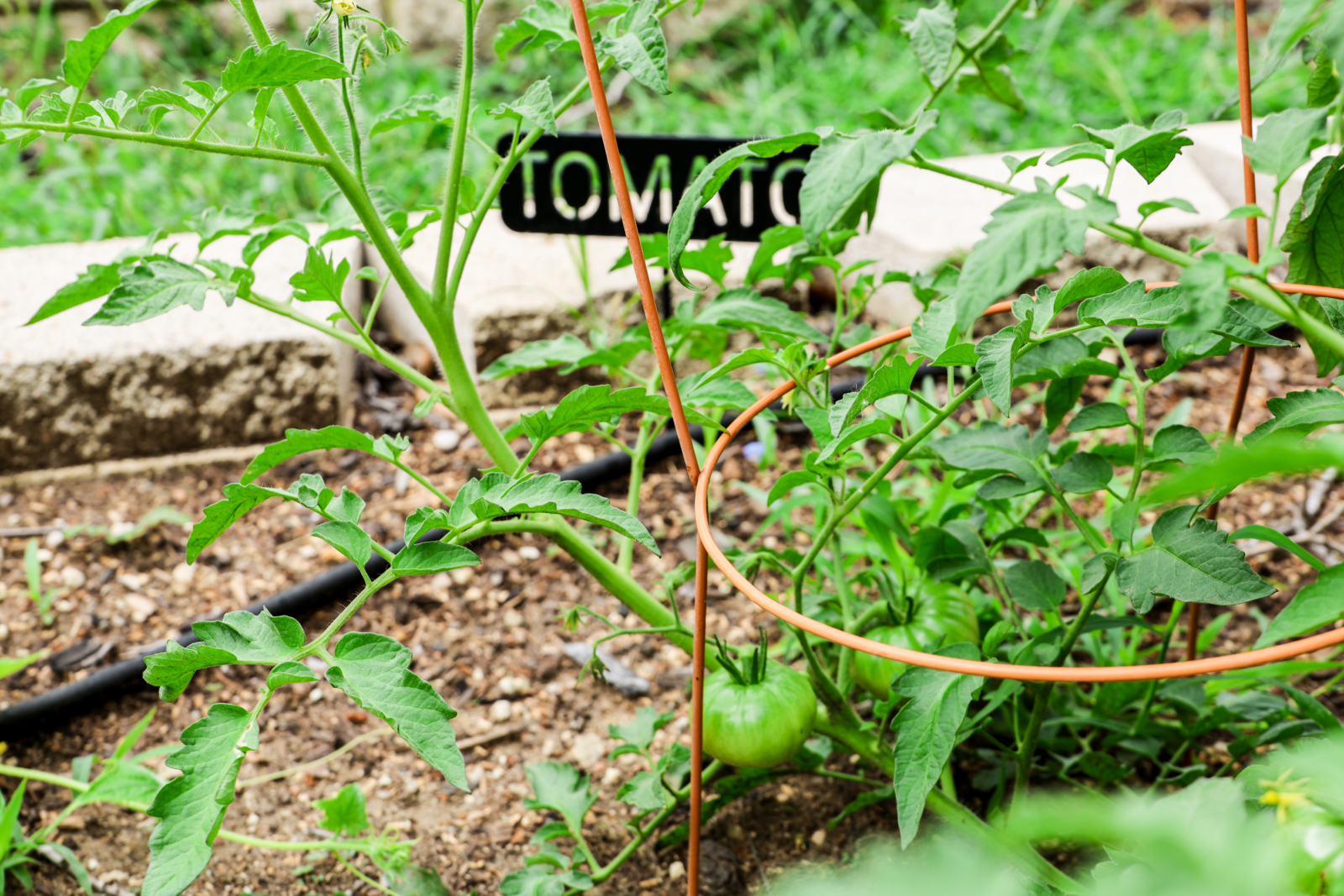
As a therapeutic tool, gardening gives kids a sensory-rich experience that fosters calmness, connection, and a sense of purpose as they nurture living things and help them thrive. Guided by trained clinicians, they participate in repetitive, grounding activities like preparing the soil, pulling weeds, planting vegetables, and harvesting crops — simple actions that support emotional regulation and help reestablish a sense of safety and control.
How the Garden Builds Trust Between Kids and Therapists
This hands-on approach completely changes the dynamic between the child and their therapist, helping form a meaningful and trusting relationship in a low-pressure environment. In the garden, there is no pressure to sit in a chair and recount painful memories. Difficult conversations often feel more manageable when hands are busy in the soil and trust grows naturally in the shared silence of watering rows of seedlings or celebrating a first sprout.
“In the vegetable garden, there’s no pressure to talk about the past,” Center’s Lead Experiential Therapist, Africa Ibarra said. “We focus on the here and now, and that’s where healing begins. Gardening gives kids something safe to touch, something real to care for.”


What Kids Learn From Caring for Something That Grows
Beyond the therapeutic benefits, the garden offers kids a tangible sense of accomplishment. Caring for their plants week after week teaches them the importance of patience, responsibility, and the value of nurturing something over time. It’s a great reminder that growth is always possible even after hardship. Some children even share their harvests with caregivers or siblings, creating new opportunities for a healthy connection at home.
“For children who’ve learned not to trust people, watching a plant grow under their care can be the first step in learning empathy, consistency, and connection,” said Africa.
Thanks to the generosity of our supporters, this once-empty plot has grown into a vibrant, therapeutic space — nurturing not just plants, but hope and healing.
Donate today to help more children heal through experiential therapy.
Watch our Vegetable Garden come to life!